
Virampur belongs to the Catholic ashram Palanpur and is located in the Banaskantha district in North Gujarat, an area populated by tribal tribes. This district comprises 14 talukas (district areas), which are between 45-80 kilometres away from Palanpur. More than 80 per cent of the total population are tribal Dungari-Girasia tribes who live either on hills or in forest areas in their makeshift huts. Most of the land in this district is dry and sandy. The people in this area live below the poverty line. They are neither familiar with the modern way of farming nor do they have the necessary means to do so. Many men and women work in hotels in Ambaji, others work as day labourers in the fields. Tribes living in forests are far away from schools, so they do not even receive a primary education. The girls in particular only go to school up to the 5th or 7th grade at best, then the parents keep them at home out of caution.
The way of life of these people is very simple. They have their own social customs and traditions to which they adhere. Many of the young people do not marry or live together for years before getting married.Some married men bring home another wife or girl and keep her as their second wife, which is accepted by the community.
If they are sick, they take the sick person to a sadu (a kind of guru) and not to the hospital.
The mission of Virampur Mission since 2018 is to provide basic education to 350 children who have never attended school. The missionaries have also realised that around 500 people with disabilities, both mental and physical, live in the surrounding villages. These people are being helped to obtain a disability card. A medical campus has been set up with the help of the local hospital in Virampur. As a result, over 250 very poor disabled people have been able to obtain their identity cards and apply for state support.
Nevertheless, too many people still suffer from hunger and the mission ensures that these people are guaranteed at least one meal a day by regularly bringing them cereals, flour, fruit, vegetables and other foodstuffs. The mission provides clothes and medicines for the disabled people, but also for the schoolchildren.


Viele Männer und Frauen arbeiten in Hotels in Ambaji, andere arbeiten als Tageslöhner auf den Feldern. Stämme, die in Wäldern leben sind weit entfernt von Schulen, so dass sie nicht einmal eine Grundschulausbildung erhalten. Vor allem die Mädchen gehen bestenfalls nur bis zur 5. oder 7. Klasse zur Schule, dann behalten die Eltern sie aus Vorsicht zuhause.
Die Lebensart dieser Menschen ist sehr einfach. Sie haben ihre eigenen sozialen Bräuche und Traditionen, an denen sie festhalten. Viele der jungen Menschen heiraten nicht oder leben Jahre zusammen, bevor sie heiraten.
Einige verheiratete Männer bringen eine andere Frau oder ein anderes Mädchen mit nach Hause und behalten sie als ihre zweite Frau, was von der Gemeinschaft akzeptiert wird.
Wenn sie krank sind, bringen sie die kranke Person zu einem Sadu (eine Art Guru) und nicht ins Krankenhaus.

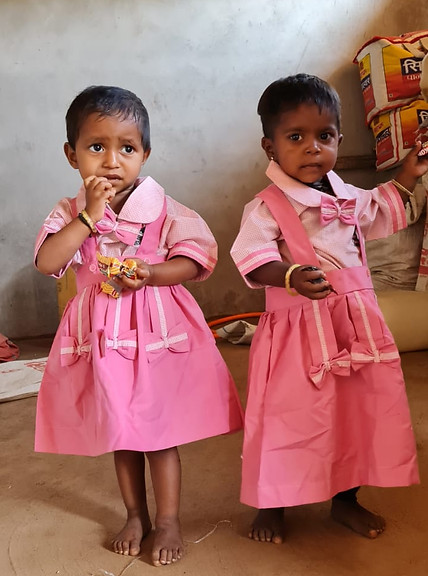
Die Aufgabe der Mission Virampur seit 2018 besteht darin, 350 Kindern, die nie eine Schule besucht haben, eine Grundausbildung zu erteilen. Die Missionare haben auch festgestellt, dass in den umliegenden Dörfern circa 500 Menschen mit Behinderung leben, sei es geistig, wie auch körperlich. Diesen Menschen wird geholfen, einen Behindertenausweis zu bekommen. Es wurde ein medizinischer Campus errichtet mit der Hilfe des lokalen Krankenhauses in Virampur. Somit konnten über 250 sehr arme behinderte Menschen ihren Ausweis erhalten und die staatliche Unterstützung beantragen.
Trotzdem leiden zu viele Menschen noch an Hunger und die Mission sorgt dafür, dass diesen Menschen mindestens eine Mahlzeit am Tag garantiert wird, indem man ihnen regelmässig Getreide, Mehl, Obst, Gemüse und sonstige andere Nahrungsmittel vorbeibringt. Die Mission sorgt für Kleidung und Medikamente für die behinderten Menschen, aber auch für die Schulkinder.